

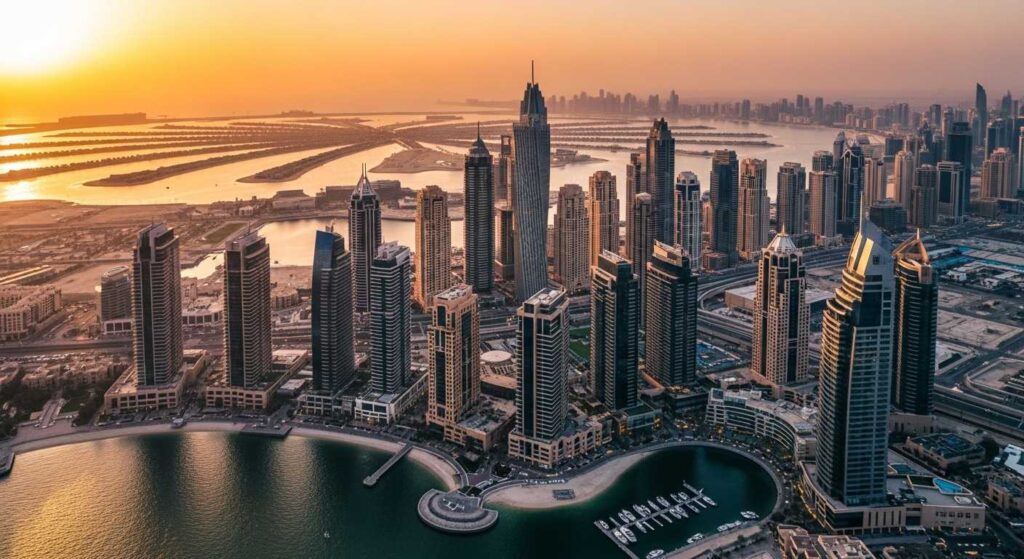
Dubai has firmly established itself as one of the world’s most dynamic and investor-friendly real estate markets. With its iconic skyline, world-class infrastructure, strategic location, and business-friendly policies, the emirate continues to attract global investors seeking stable, high-return opportunities in property. Whether you are a seasoned investor or a first-time buyer exploring the UAE market, understanding the ROI on Dubai real estate investment is essential for making informed decisions.
This comprehensive guide explores the core elements that drive returns in Dubai’s property sector, including rental yields, capital appreciation, market trends, and strategic approaches to maximize profitability. Dubai’s unique advantages — such as tax-free rental income, strong legal protections for property ownership, and continuous urban development — set it apart from many international markets. As the city evolves with new mega-projects, sustainable communities, and enhanced connectivity, the potential for both short-term income and long-term value growth remains compelling. Investors who approach the market with proper research, clear objectives, and a long-term perspective often find Dubai real estate to be a rewarding addition to their portfolios. This article delves deep into every aspect, offering practical insights to help you navigate this vibrant market successfully.
1.0 Understanding ROI in Dubai Real Estate
ROI, or Return on Investment, is a fundamental metric that measures the profitability of a real estate asset relative to its purchase cost. In Dubai, ROI is typically evaluated through two primary components: rental yield and capital appreciation.
Rental yield represents the annual rental income generated by a property expressed as a percentage of its total value. It provides a clear picture of the cash flow an investor can expect. Capital appreciation, on the other hand, refers to the increase in the property’s market value over time. Dubai’s rapid development, population growth, and economic diversification have historically supported healthy appreciation rates in well-chosen locations.
One of Dubai’s strongest appeals is its tax-free environment. Unlike many global cities where rental income and property gains are subject to significant taxation, Dubai imposes no personal income tax or capital gains tax on real estate for individual investors. This advantage allows for more straightforward and higher net ROI calculations, making the emirate particularly attractive for both local and international buyers.
2.0 Key Factors Affecting ROI in Dubai
Several interconnected factors determine the success and profitability of real estate investments in Dubai. A thorough evaluation of these aspects is crucial before committing capital.
2.1 Property Location
Location remains the single most important driver of ROI. Prime areas such as Downtown Dubai, Dubai Marina, Palm Jumeirah, and emerging districts like Dubai Creek Harbour consistently deliver superior performance. These locations benefit from high tenant demand, excellent connectivity, proximity to business hubs, and premium lifestyle amenities. Properties in established communities tend to maintain stronger rental rates and faster resale cycles compared to peripheral areas.
2.2 Property Type
Different property types cater to varied investor preferences. Luxury villas and townhouses often deliver robust long-term capital appreciation due to limited supply and high demand from families and high-net-worth individuals. Apartments, particularly in high-rise developments, generally provide better rental yields, especially when positioned for both long-term expat tenants and short-term tourist rentals. Mixed-use developments that combine residential, retail, and leisure options frequently outperform single-category properties.
2.3 Developer Reputation
Partnering with reputable developers significantly influences investment outcomes. Established names like Emaar, DAMAC, Nakheel, and Meraas are known for delivering projects on time, maintaining high construction standards, and offering strong after-sales support. Properties from trusted developers often command premium resale values and attract quality tenants more easily.
2.4 Market Trends
Dubai’s real estate market is dynamic and responsive to economic cycles. Off-plan properties typically offer lower entry prices and structured payment plans, which can lead to substantial capital gains upon project completion. Ready properties, while requiring higher initial capital, provide immediate rental income and reduced risk. Staying informed about supply pipelines, tourism growth, and government initiatives is vital for timing investments effectively.
2.5 Amenities and Community Features
Modern buyers and tenants prioritize lifestyle. Properties within master-planned communities featuring parks, gyms, pools, retail outlets, and security services tend to achieve higher occupancy rates and rental premiums. Waterfront locations and those with direct access to beaches or major attractions further enhance desirability and ROI potential.
2.6 Payment Plans and Financing
Flexible payment structures offered by developers for off-plan projects allow investors to spread capital commitment over time. This improves cash flow management and enables entry into higher-value segments. Understanding financing options available through local banks for both residents and non-residents is also important for optimizing investment leverage.
3.0 Average ROI on Dubai Properties
ROI in Dubai varies based on location, property type, and market conditions. Current market data suggests the following general ranges:
- Apartments: Rental yields commonly fall between 6% and 8%. High-demand zones such as Business Bay, Dubai Marina, and Jumeirah Beach Residence frequently achieve yields at the upper end of this spectrum due to strong expat and professional demand.
- Villas and Townhouses: These typically generate rental yields of 5% to 7%. However, they often outperform apartments in capital appreciation over 5 to 10 years, particularly in family-oriented communities.
- Waterfront Properties: Premium waterfront apartments and villas can deliver combined ROI (rental yield plus appreciation) exceeding 10% annually in favorable market conditions, thanks to their scarcity and lifestyle appeal.
These figures represent averages and actual performance depends heavily on individual property selection and management efficiency.
4.0 Benefits of High ROI Investments in Dubai
Investing in Dubai real estate with strong ROI potential offers multiple advantages beyond pure financial returns:
- Tax-Free Income: Complete absence of property tax and rental income tax maximizes net returns.
- Golden Visa Eligibility: Investing in qualifying properties can secure long-term UAE residency for investors and their families, adding significant lifestyle and security value.
- Global Appeal: Dubai’s diverse, cosmopolitan population and status as a tourism and business hub ensure consistent rental demand year-round.
- Portfolio Diversification: Real estate provides a tangible, inflation-hedging asset class that balances traditional investments like stocks and bonds.
- Liquidity Options: In prime areas, properties can be sold relatively quickly in the secondary market when needed.
These benefits make Dubai an appealing destination for both wealth preservation and growth-oriented investors.
5.0 Strategies to Maximize ROI
5.1 Invest in Off-Plan Projects
Off-plan investments often provide entry at discounted prices and phased payment plans. Upon handover, completed projects frequently see notable price uplifts, boosting overall returns.
5.2 Focus on High-Demand Locations
Selecting areas with mature infrastructure, upcoming metro expansions, and strong lifestyle offerings helps secure better rental income and faster appreciation.
5.3 Target Luxury and Branded Properties
Developments associated with renowned brands tend to attract premium tenants willing to pay higher rents and maintain stronger resale values.
5.4 Consider Short-Term Rentals
In tourist-heavy zones, platforms like Airbnb (under proper licensing) can significantly boost yields compared to traditional long-term leases, though this requires adherence to Dubai Tourism regulations.
5.5 Monitor Market Cycles
Strategic timing — buying during market corrections and holding through growth phases — can substantially enhance both rental and appreciation returns.
6.0 ROI Calculation Example
Understanding how to calculate ROI helps investors evaluate potential opportunities more effectively.
Rental Yield ROI This is computed by dividing the annual rental income by the property value and multiplying by 100 to get a percentage. A strong rental yield indicates healthy ongoing income generation from the investment.
Capital Appreciation This measures the percentage increase in property value over a specific period. It is calculated by dividing the increase in value by the original value and multiplying by 100. In growing markets like Dubai, this component can significantly contribute to total returns over several years.
Total ROI The combined return includes both the cumulative rental income received during the holding period and the capital appreciation realized upon sale or valuation. This holistic view gives investors a complete picture of profitability, though actual results should also account for ongoing costs such as service fees and maintenance.
This approach demonstrates how both steady income streams and property value growth work together to deliver attractive overall returns.
7.0 Popular Areas for High ROI in Dubai
- Dubai Marina: Vibrant waterfront living with excellent rental demand for luxury apartments.
- Downtown Dubai: Iconic address offering strong prestige and consistent capital appreciation.
- Business Bay: Central location ideal for professionals seeking modern apartments.
- Dubai Creek Harbour: Emerging waterfront district with massive growth potential.
- Palm Jumeirah: Exclusive island community known for premium villa rentals and high-end appeal.
8.0 Key Considerations for Investors
Successful investment requires attention to several practical aspects:
- Legal Compliance: Always ensure properties are freehold and developers are properly registered with the Real Estate Regulatory Agency (RERA).
- Market Research: Regularly track supply-demand balance, rental trends, and major infrastructure developments.
- Property Management: Professional management services help minimize vacancies and maintain property condition.
- Exit Strategy: Plan ahead for resale by considering liquidity, market timing, and potential buyer profiles.
9.0 Conclusion
Investing in Dubai real estate continues to offer compelling opportunities for those who approach the market thoughtfully. With competitive rental yields, strong potential for capital growth, and significant non-financial benefits like tax advantages and residency options, the emirate remains a top global destination for property investors.
By focusing on prime locations, reputable developers, and aligning choices with personal financial goals, investors can achieve attractive and sustainable returns. As Dubai continues its journey toward becoming one of the world’s leading smart cities, well-researched real estate investments are likely to deliver both financial rewards and long-term value. Whether seeking immediate income or future appreciation, a strategic approach to Dubai’s dynamic property market can prove highly rewarding.
