

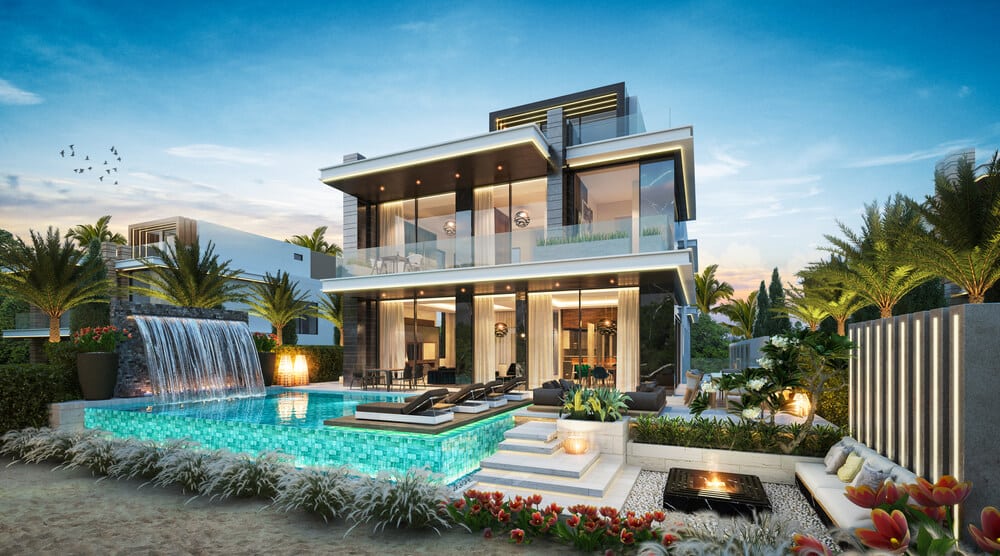
Dubai, a global hub for innovation, luxury, and modern living, continues to attract investors and homebuyers with its dynamic real estate market. Off-plan luxury homes—properties purchased before completion—offer potential for strong returns and a premium lifestyle, but they also come with inherent risks that buyers should carefully evaluate. Whether you're a first-time buyer, an experienced investor, or seeking a residence in one of the world's most vibrant cities, this guide explores the appeal of off-plan luxury properties in Dubai, their potential advantages, key considerations, and steps to make an informed investment. As of early 2026, the market remains robust, with off-plan sales accounting for around 60-70% of transactions, driven by new launches and international demand.
1.0 Why Consider Off-Plan Luxury Homes in Dubai?
Dubai's real estate sector is characterized by rapid development and global appeal, with luxury segments showing resilience even amid broader market fluctuations. Off-plan properties can provide advantages over ready-built homes, but outcomes depend on market conditions, developer reliability, and location. Here's a balanced look at the key factors.
1.1 1. Potential for Capital Appreciation
Off-plan investments can offer significant value growth as projects near completion, particularly in high-demand areas. Dubai's market has seen steady appreciation in recent years, with luxury properties in prime locations potentially increasing by 20-40% over the construction period. Emerging communities like Dubai Creek Harbour, Dubai Hills Estate, and more affordable areas such as Jumeirah Village Circle (JVC) have shown strong performance, supported by infrastructure expansions and population growth. However, appreciation is not guaranteed and can be influenced by supply increases or economic shifts—analysts project possible price moderation of 5-15% in some segments by late 2026 due to an influx of over 70,000 new units.
1.2 2. Flexible Payment Plans
Developers often provide installment-based payment structures for off-plan purchases, spreading costs over the construction timeline (e.g., 60/40 or 80/20 plans). This can reduce upfront financial pressure, making luxury properties more accessible. Payments are typically tied to milestones, with the balance due at handover. While convenient, buyers should note potential penalties for delays in payments and factor in interest rates if financing is involved.
1.3 3. Access to Desirable Locations
Off-plan projects frequently launch in sought-after or developing areas, including waterfronts, gated communities, and master-planned districts. Locations like Dubai Marina, Palm Jumeirah, and Dubai Hills Estate offer limited resale options, allowing buyers to secure premium real estate early. With ongoing infrastructure like metro extensions and new highways, these areas may become even more valuable. That said, "prime" status evolves—focus on sustainable, well-connected spots to mitigate oversupply risks in less established zones.
1.4 4. Customization Opportunities
Many luxury off-plan developments allow early buyers to personalize elements such as layouts, finishes, and fixtures. This can create a tailored home that aligns with your preferences, especially in high-end projects featuring smart tech or eco-friendly designs. Customization varies by developer and stage, and additional costs may apply.
2.0 Top Areas for Off-Plan Luxury Homes in Dubai
Location is crucial for off-plan investments, balancing lifestyle, amenities, and growth potential. Dubai's diverse districts cater to different preferences, with luxury focused on branded, high-end developments. Here are some standout areas as of 2026:
2.1 1. Dubai Creek Harbour
This master-planned waterfront community near Burj Khalifa and Dubai Mall features luxury apartments and villas with skyline views. Projects like Creek Bay and Savanna emphasize modern living with parks and retail. The area is set for further enhancement with the revived Dubai Creek Tower project, where tenders for a redesigned structure are expected within months (focusing on aesthetics rather than record height). Handovers for several developments are slated for 2026-2028, making it a promising spot for long-term value.
2.2 2. Dubai Hills Estate
Centrally located, this premium community offers golf-course views, villas, townhouses, and apartments with easy access to business and leisure hubs. Ongoing projects like Hills Park and Golf Residence highlight family-friendly amenities and green spaces. It's one of Dubai's most desirable areas for luxury living, with consistent demand driving rental yields of 6-8%.
2.3 3. Palm Jumeirah
An iconic man-made island synonymous with upscale living, Palm Jumeirah hosts beachfront villas, apartments, and branded residences like Orla and Como. Off-plan options here emphasize exclusivity, privacy, and resort-style facilities. While prices are premium (e.g., AED 40M+ for mansions), the area's established appeal supports strong appreciation, though buyers should consider service charges (AED 10-20/sq ft annually).
2.4 4. Downtown Dubai
Home to landmarks like Burj Khalifa and Dubai Opera, this central district blends residential towers with cultural and commercial vibrancy. Off-plan projects such as Volta Tower and Sofitel Residences offer high-rise luxury with 2026-2028 completions. Its connectivity and amenities make it ideal for urban lifestyles, but high density can mean competitive rentals.
Note: While areas like Jumeirah Village Circle (JVC) are mentioned in market reports for affordability and mid-market growth (with yields up to 9%), it's more suited to value-driven buyers rather than pure luxury seekers, with a focus on apartments and townhouses amid potential oversupply risks in 2026.
3.0 How to Invest in Off-Plan Luxury Homes in Dubai
Investing requires thorough research and planning. Follow these steps for a smoother process:
3.1 1. Research Reputable Developers
Choose established firms like Emaar, Damac, or Nakheel, known for quality and timely delivery. Review their track records via RERA (Real Estate Regulatory Agency) ratings and past projects to avoid risks like delays or quality issues.
3.2 2. Analyze the Market
Evaluate trends, including proximity to amenities, schools, transport, and growth forecasts. Prime areas like those above show resilience, but consider supply pipelines—2026 could see increased competition. Use resources like Property Finder or Bayut for data on yields (typically 6-10% for luxury) and appreciation.
3.3 3. Secure Financing
Banks offer mortgages tailored for off-plan, often with flexible terms. Understand interest rates, eligibility (e.g., for non-residents), and completion timelines. Factor in currency risks for international buyers.
3.4 4. Review and Sign the Agreement
Examine the Sales and Purchase Agreement (SPA) for details on payments, timelines, and specs. Consult a legal expert or RERA-registered agent to ensure protections, including escrow accounts that safeguard funds.
3.5 5. Monitor Progress
Stay updated via developer portals, site visits, or apps. Track milestones to address any delays early, and prepare for handover inspections.
4.0 Benefits of Buying Off-Plan Luxury Homes in Dubai
4.1 1. Long-Term Growth Potential
With Dubai's expansion and influx of high-net-worth individuals, luxury off-plan can yield compounding appreciation and rental income (8-10% in waterfront areas). Branded residences (e.g., fashion or automotive ties) add prestige and demand.
4.2 2. Competitive Entry Prices
Off-plan often costs 15-30% less than completed properties, allowing buyers to benefit from market uplift. This gap can narrow as projects advance.
4.3 3. Lower Initial Maintenance
New builds typically require minimal upkeep in the early years, with warranties covering defects.
5.0 Conclusion
Off-plan luxury homes in Dubai present compelling opportunities for potential appreciation, flexible entry, and premium living in iconic locations. With a strong market outlook for 2026—fueled by branded developments and infrastructure—the sector appeals to savvy investors. However, success hinges on informed decisions, balancing benefits with risks like delays and volatility. Conduct due diligence, seek expert advice, and align with your goals for a rewarding investment in this ever-evolving city.