

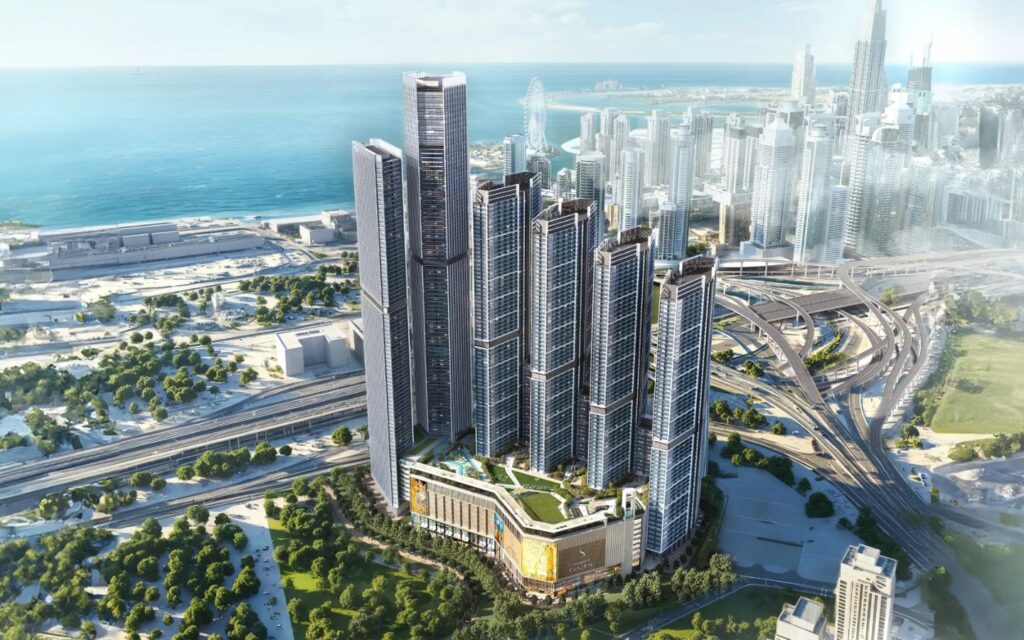
Dubai has consistently been one of the world’s most attractive destinations for real estate investors. Thanks to its robust economy, strategic location, world-class infrastructure, and investor-friendly policies, Dubai’s real estate market continues to thrive. As we move into 2026, Dubai offers unprecedented opportunities for investors seeking high returns on investment (ROI). Whether you're looking for high-end luxury properties or more affordable options, Dubai remains a prime location for real estate growth.
In this guide, we’ll delve into the factors that make Dubai a lucrative investment opportunity in 2026. From understanding the expected ROI, to exploring the best areas for investment, property types, and the process of buying property, this guide aims to equip you with the knowledge you need to make informed and profitable real estate decisions.
1.0 Why Invest in Dubai Real Estate in 2026?
Dubai’s real estate market continues to present compelling reasons for investors in 2026. Here are the key factors that make it a top investment destination:
1.1 1. Tax-Free Environment
Dubai offers a tax-free environment, with no personal income tax, capital gains tax, or inheritance tax. This is a significant advantage for international investors looking to maximize their returns without worrying about heavy tax burdens. This tax-free status makes Dubai one of the most investor-friendly cities in the world.
1.2 2. Strong Economic Growth
Dubai’s economy remains strong and continues to diversify. The city has seen major growth in sectors such as tourism, trade, technology, and finance, all of which support the real estate market. With major global events, such as the World Expo and ongoing infrastructure projects, the demand for both commercial and residential properties is expected to remain high in 2026.
1.3 3. High Rental Yields
Dubai offers some of the highest rental yields globally, making it an attractive option for investors looking to generate passive income. Rental yields typically range from 5% to 9% depending on the location and property type. Areas like Dubai Marina, Downtown Dubai, and Jumeirah Village Circle are particularly known for their strong rental yields and high tenant demand.
1.4 4. Government Initiatives
The UAE government has implemented several initiatives designed to attract foreign investment. These include long-term residency visas, investor-friendly policies, and the introduction of the Golden Visa, which has further bolstered investor confidence in the market. These initiatives not only make Dubai an attractive place to invest but also ensure a stable environment for long-term growth.
2.0 Understanding the Expected ROI in Dubai Real Estate (2026)
As an investor, understanding ROI (Return on Investment) is essential. Dubai’s real estate market is expected to continue offering strong returns in 2026, driven by factors such as high rental yields, capital appreciation, and overall market stability. Here’s how ROI is likely to play out in Dubai:
2.1 1. Rental Yields
Dubai’s real estate market has been consistently offering high rental yields, making it an attractive destination for investors seeking immediate returns. Investors can expect rental yields between 5% and 9%, with certain areas offering even higher returns. Areas like Dubai Marina, Downtown Dubai, and Jumeirah Village Circle have shown steady demand, offering strong rental income potential.
2.2 2. Capital Appreciation
While rental income is an important factor for investors, capital appreciation is another significant driver of ROI. Certain areas of Dubai, particularly those experiencing rapid development and infrastructure growth, have seen substantial appreciation in property values. Investors who choose to buy properties in emerging areas like Dubai Hills Estate or Dubai South are likely to experience strong capital growth over time.
2.3 3. Market Stability
Dubai’s real estate market has shown resilience over the years, despite global economic fluctuations. The Dubai government’s regulatory measures and transparent market practices help ensure stability, providing confidence to investors. The ongoing development of infrastructure projects, like the expansion of the Dubai Metro and other urban developments, will further drive demand and support long-term stability in the market.
3.0 Property Types and Investment Opportunities in Dubai Real Estate
Investors in Dubai can choose from a variety of property types, each offering different opportunities and advantages. The right choice depends on your investment goals and risk appetite. Below are the main property types available in the Dubai market in 2026:
3.1 1. Apartments
Apartments are one of the most popular property types in Dubai. They offer stable rental income and are particularly popular in areas like Dubai Marina, Downtown Dubai, and Business Bay. Apartments are ideal for investors who are looking for a steady income stream through rentals, especially short-term rentals, which are in high demand in prime locations.
3.2 2. Villas and Townhouses
Villas and townhouses tend to require higher initial investments, but they also offer long-term appreciation and stable rental income. These properties are favored by families looking for spacious living arrangements. Popular locations for villas and townhouses include Dubai Hills Estate and Emirates Hills. These properties are ideal for long-term investors who seek higher capital growth and lower volatility.
3.3 3. Off-Plan Properties
Off-plan properties are those that are still under construction, but investors can secure them at a lower price. These properties typically offer higher returns on investment once completed and are perfect for those who are willing to take on some risk. However, it’s important to carefully research developers and projects, as off-plan properties can carry uncertainties related to completion timelines and market conditions.
3.4 4. Ready Properties
Ready properties are those that have already been completed and are available for immediate occupancy. These properties are lower risk compared to off-plan properties because they are already constructed, allowing investors to begin generating rental income right away. Ready properties are ideal for investors who prefer immediate returns and want to avoid construction-related uncertainties.
4.0 Best Areas for Investment in Dubai in 2026
Choosing the right location is one of the most important decisions you’ll make as a real estate investor. In 2026, several areas in Dubai are poised to offer high returns on investment:
4.1 Dubai Marina
Dubai Marina remains one of the top areas for investment due to its prime location by the waterfront and the high demand for luxury properties. This area is known for its vibrant community and is particularly attractive to expatriates, short-term renters, and tourists. It offers strong rental yields and is expected to maintain its popularity in 2026.
4.2 Downtown Dubai
Downtown Dubai, home to iconic landmarks such as the Burj Khalifa and Dubai Mall, continues to be a hub for luxury real estate investments. While property prices in this area may be higher, the strong demand for high-end properties ensures steady rental income and long-term capital growth.
4.3 Jumeirah Village Circle (JVC)
JVC offers a more affordable entry point for investors while still offering strong rental yields. With a rental yield between 7% and 9%, JVC is an attractive option for budget-conscious investors and families. The area’s growth and development in terms of infrastructure and amenities further enhance its investment potential.
4.4 Business Bay
As a major commercial and residential district, Business Bay continues to attract both investors and tenants. The area benefits from its proximity to Dubai’s central business hubs, making it ideal for professionals and business owners. The area’s growth is expected to continue in 2026, offering solid investment opportunities for both commercial and residential properties.
5.0 Cost Components of UAE Property Investment
When investing in Dubai real estate, it's important to understand the full scope of costs involved. Below are the key components you should consider:
- Property Price: Prices vary by location, property type, and size.
- Dubai Land Department (DLD) Fees: A fee applied to the value of the property at the time of transfer.
- Agent’s Commission: Typically a percentage of the property price.
- Mortgage Registration Fee: A small fee charged by the bank when registering a mortgage.
- OQOOD Registration: A fee for off-plan properties to register the purchase with the DLD.
- Maintenance Fees: Ongoing fees associated with property upkeep.
- Furnishing Costs: Depending on the size and type of property, these can vary.
6.0 Step-by-Step Buying Process in Dubai
Purchasing property in Dubai involves several key steps, and it's important to follow the correct process to ensure a smooth transaction:
- Property Selection: Choose a property based on your budget and investment goals.
- Signing the MOU: A formal agreement between the buyer and seller.
- Due Diligence: Verify the property’s legal status, documents, and ownership history.
- Obtaining the NOC: A No Objection Certificate from the developer is required for off-plan properties.
- Transfer at DLD: Complete the legal transfer process through the Dubai Land Department.
- Receive the Title Deed: Once the transaction is complete, the buyer receives the title deed, officially becoming the property owner.
7.0 Conclusion
As we look toward 2026, Dubai’s real estate market continues to present incredible opportunities for investors. Whether you’re interested in high rental yields, capital appreciation, or simply diversifying your investment portfolio, Dubai remains a top choice. By selecting the right property type and location and understanding the associated costs, you can position yourself for success in this dynamic market.
