

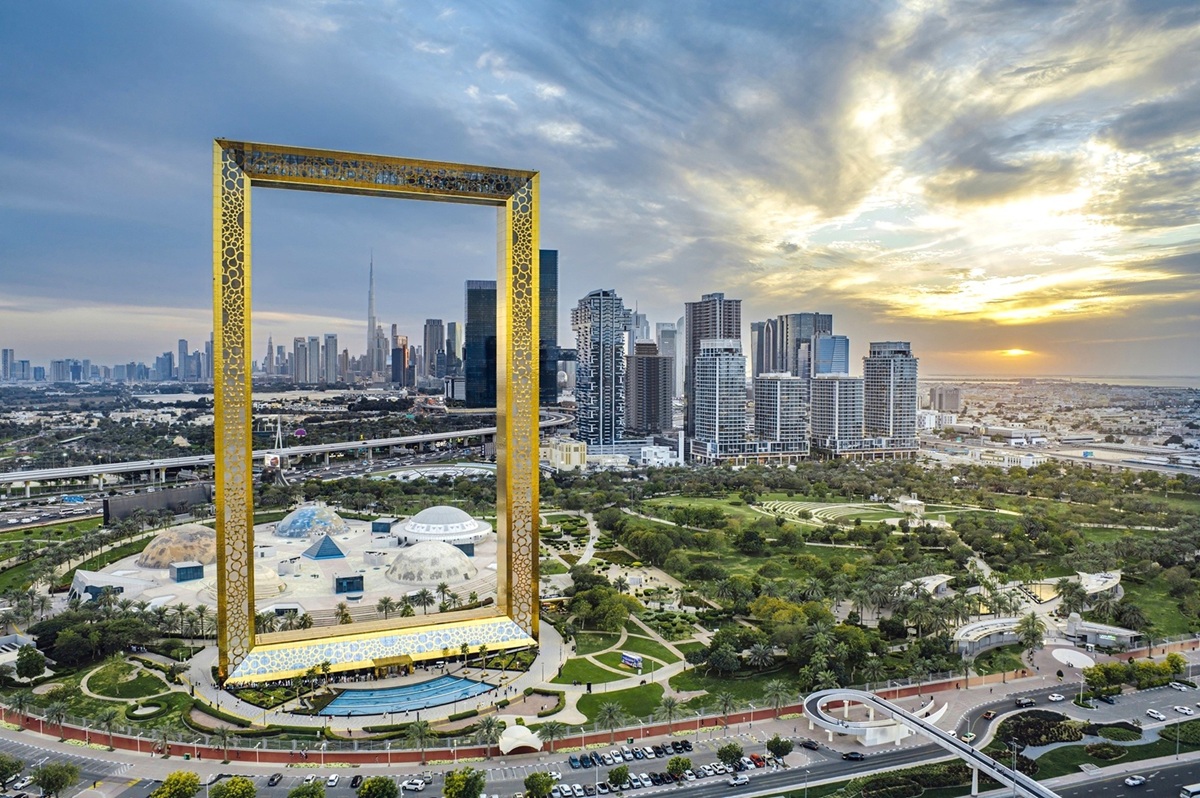
The Dubai real estate market has consistently been a magnet for both local and international investors. As we look towards 2026, it’s clear that the market remains poised for growth, with a strong mix of residential, commercial, and off-plan opportunities. This guide takes an in-depth look at the key trends, the drivers behind market expansion, and the top areas for real estate investment. Whether you’re a seasoned investor or considering Dubai for the first time, this guide provides essential insights into what’s to come in the real estate sector.
1.0 Understanding the Growth of Dubai's Real Estate Market
The real estate market in Dubai is poised for continued growth, fueled by multiple factors ranging from favorable government policies to economic diversification. The increasing influx of international investors, coupled with a robust expatriate population, makes Dubai one of the top global real estate hubs. Looking ahead to 2026, Dubai's real estate sector is set to offer substantial returns on investment, whether you're interested in residential properties, commercial spaces, or off-plan developments.
With a resilient economy and strategic urban planning, Dubai's real estate market continues to offer opportunities for long-term investment. The market's flexibility in catering to both luxury and affordable segments ensures that there is something for every type of investor.
2.0 Market Drivers Shaping the Future of Real Estate in Dubai
Dubai's real estate market is influenced by a combination of internal economic growth and external global factors. Understanding these drivers is essential for anyone looking to invest in the coming years.
2.1 Foreign Investment Growth
Dubai’s liberal property laws, particularly the introduction of the Golden Visa, have greatly expanded opportunities for foreign investors. The favorable tax regime, combined with ownership rights in select zones, makes Dubai a haven for international investors seeking high returns.
2.2 Economic Diversification
The Dubai 2040 Urban Master Plan is a key pillar of the city's future development. It aims to diversify the economy, reduce reliance on oil, and stimulate growth in various sectors such as tourism, technology, and manufacturing. This shift in focus is expected to support long-term real estate demand.
2.3 Tourism & Expo Legacy
The influence of Expo 2020 continues to play a role in shaping demand. The influx of tourists, coupled with the success of the Expo, has increased both short-term and long-term demand for residential and commercial properties in strategic locations across Dubai.
3.0 Prime Areas for Real Estate Investment in Dubai
When considering real estate investments in Dubai, location is paramount. Several districts are emerging as prime locations for real estate investment, offering a blend of luxury living, business opportunities, and long-term growth potential.
3.1 Downtown Dubai
Known for its luxury apartments and iconic landmarks like the Burj Khalifa and Dubai Mall, Downtown Dubai remains one of the most sought-after areas for investors looking for premium properties.
3.2 Dubai Marina
Offering a unique waterfront lifestyle, Dubai Marina is home to a variety of luxury apartments and villas. It remains a hot spot for investors looking for rental yields and capital appreciation. With an established infrastructure and vibrant nightlife, Dubai Marina continues to be one of the top choices for expatriates and long-term residents.
3.3 Palm Jumeirah
Known for its ultra-luxury villas and exclusive beachfront properties, Palm Jumeirah remains a symbol of Dubai's luxury living. It’s a premium location with strong capital appreciation potential.
3.4 Dubai Hills Estate
Offering suburban, family-oriented living, Dubai Hills Estate is a master-planned community that features parks, golf courses, and easy access to Dubai’s central business districts. It is becoming increasingly popular with families and long-term investors.
3.5 Business Bay
As a major commercial district, Business Bay offers a mix of office spaces and high-rise residential properties. This area benefits from its strategic location and proximity to Downtown Dubai, making it ideal for businesses and investors.
4.0 Exploring the Diverse Property Segments in Dubai
The Dubai real estate market is diverse, with several property segments offering attractive opportunities for investors. Understanding these segments helps investors make informed decisions about where to allocate their capital.
4.1 Residential Properties
Luxury Villas and High-End Properties
In areas like Palm Jumeirah and Emirates Hills, luxury villas continue to attract substantial demand from high-net-worth individuals seeking exclusive living. These properties provide investors with long-term capital appreciation and steady rental income.
Apartments
The demand for apartments, from studios to multi-bedroom units, remains strong in prime locations like Downtown Dubai and Dubai Marina. The market is diverse, offering everything from budget-friendly studios to luxurious penthouses.
Off-Plan Properties
Off-plan properties remain an attractive option for investors looking for early-stage entry into developments. With competitive pricing and the potential for significant returns as projects are completed, off-plan properties allow investors to capitalize on Dubai’s growth.
4.2 Commercial Real Estate
Office Spaces
As Dubai continues to grow as a global business hub, demand for office spaces in districts like Business Bay, DIFC, and Downtown Dubai is expected to remain strong. These areas offer easy access to key business locations and attract international corporations.
Retail Units
Retail spaces in high-footfall areas like Dubai Mall, City Walk, and Mall of the Emirates are in demand. The growing population and the increase in tourism ensure continued demand for retail properties.
Industrial / Warehousing
With the growth of e-commerce and logistics, the demand for industrial and warehousing properties, particularly in areas like Dubai South, is on the rise. These types of properties provide excellent investment opportunities due to their long-term rental yield potential.
5.0 The Benefits of Investing in Dubai Real Estate
Dubai’s real estate market offers several key advantages that make it a highly attractive market for real estate investment. These benefits are driving demand and ensuring a positive outlook for the market moving forward.
5.1 Tax Advantages
One of the most appealing aspects of investing in Dubai real estate is its favorable tax regime. There is no property tax, no capital gains tax, and no inheritance tax, making Dubai a tax-friendly jurisdiction for investors. This benefit, combined with the city's world-class infrastructure and lifestyle, enhances its appeal for both local and foreign buyers.
5.2 High Rental Yields
The rental yields in Dubai, particularly in prime locations, can range between 6-8%, making it an attractive market for those looking to invest in rental properties.
5.3 Currency Stability
Dubai’s currency, the UAE Dirham, is pegged to the US Dollar, which provides stability for investors. This peg helps mitigate risks related to currency fluctuations, providing a secure investment environment.
5.4 Growing Demand
With a burgeoning population, a high expatriate demographic, and increasing international interest, the demand for both residential and commercial properties in Dubai remains robust.
6.0 Legal and Transactional Aspects of Dubai Real Estate
Before making an investment in Dubai, it’s crucial to understand the legal aspects of property transactions. Fortunately, Dubai has a transparent and investor-friendly legal framework.
6.1 Freehold vs Leasehold
Foreigners can purchase freehold properties in designated zones, such as Downtown Dubai and Dubai Marina. This gives investors full ownership rights. Other areas are leasehold, meaning ownership is limited to a specified number of years.
6.2 Financing and Mortgages
Expats can secure financing for property purchases, though the loan-to-value ratio may differ from that offered to UAE nationals. Typically, expats can borrow up to 75% of the property's value, while UAE nationals can access up to 80%.
6.3 Registration
All property transactions must be registered with the Dubai Land Department, which ensures that property deals are legally binding and protected.
7.0 Conclusion
The Dubai real estate market in 2026 presents a wealth of opportunities for investors. Whether you are interested in luxury villas, apartments, commercial properties, or off-plan developments, Dubai offers a variety of options to suit different investment preferences. With a favorable legal framework, high rental yields, and strong market drivers, Dubai remains a top destination for real estate investment. As Dubai continues to evolve and expand, now is the time to seize the opportunities presented by one of the world's most dynamic real estate markets.
