
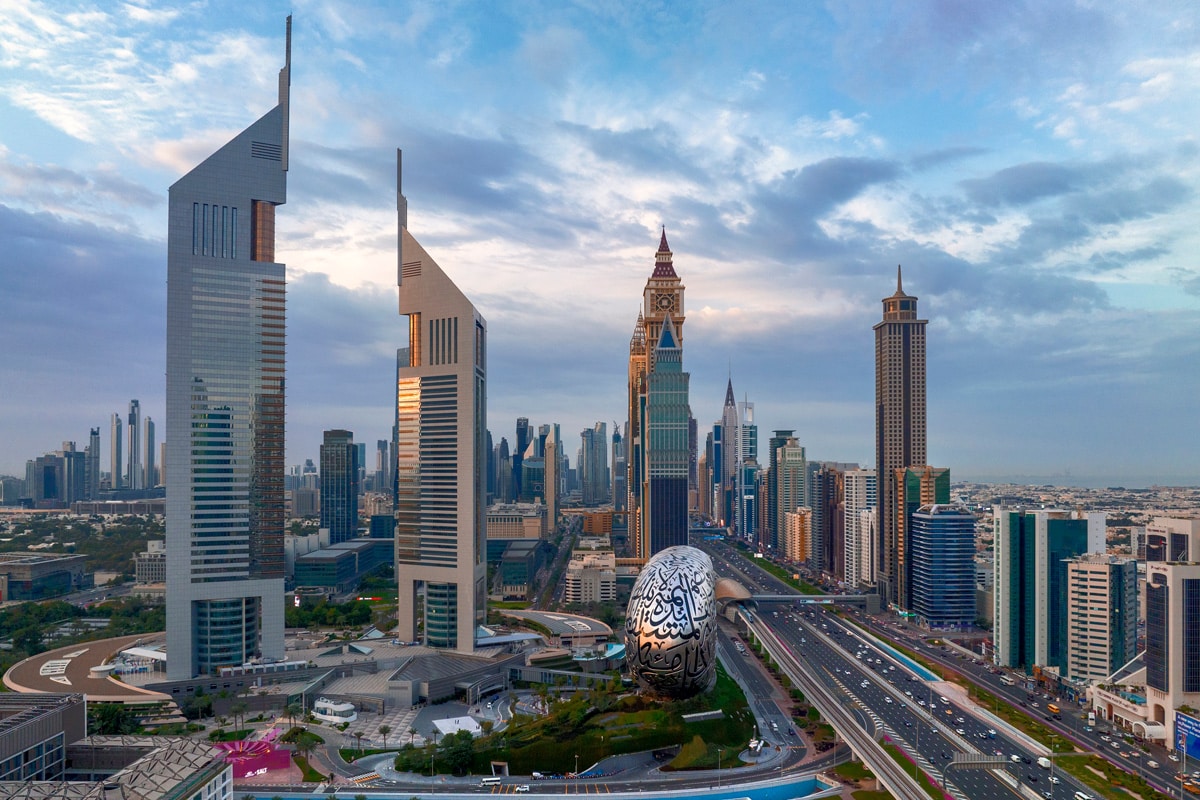
The Dubai property market trends 2026 reveal a dynamic real estate landscape shaped by accelerated economic growth, robust foreign investment, demographic shifts, and strategic government initiatives. As one of the world’s most desirable global real estate destinations, Dubai continues to outperform regional competitors — offering new opportunities for investors, end-users, and long-term wealth creators.
In this detailed market update, we break down key trends, future drivers, regional hotspots, and what the future holds for buyers, sellers, and investors in 2026.
1.0 Why 2026 Is a Pivotal Year for Dubai Real Estate
Dubai’s property market has evolved rapidly over the past decade, but 2026 stands out due to several compelling factors that position the emirate for sustained growth and global relevance. The convergence of multiple positive influences creates a favorable environment for both short-term gains and long-term value creation in real estate.
This year marks a significant milestone as Dubai solidifies its position as a diversified global hub. The market is benefiting from years of strategic planning that are now coming to fruition, resulting in increased confidence among local and international stakeholders.
- Economic Diversification: Continued investment in technology, tourism, logistics, and sustainability has strengthened the non-oil economy, supporting real estate demand. These sectors are drawing businesses and talent, which in turn fuels the need for residential and commercial spaces across the city.
- Expo Legacy Influence: The ongoing impact of Expo 2020 infrastructure, business hubs, and global networking has increased long-term foreign interest. Legacy projects continue to enhance connectivity and create vibrant districts that attract both residents and visitors.
- Population Growth: Dubai’s resident population continues to expand, driving demand for residential housing across luxury, mid-segment, and affordable categories. This steady influx of new residents creates consistent pressure on housing supply, supporting price stability and rental growth.
- Regulatory Stability: Government policy reforms aimed at transparency, flexibility, and investor protection have boosted confidence among global buyers. Clear rules and efficient processes reduce barriers to entry and ownership.
- Quality of Life Investments: Enhanced healthcare, education, digital infrastructure, and lifestyle experiences attract professionals and families. These improvements make Dubai more than just a business destination — it becomes a place where people want to settle long-term.
Together, these elements fuel the Dubai property market trends 2026, indicating sustainable growth and evolving buyer preferences. The market is maturing while maintaining its dynamic character, offering balanced opportunities across different property segments.
2.0 Key Market Themes in 2026
Here’s an in-depth look at the most impactful trends shaping Dubai’s real estate sector this year. Each theme reflects broader shifts in buyer behavior, economic conditions, and urban development strategies.
2.1 1. Strong Residential Demand Across Segments
Despite global economic uncertainties, demand for Dubai real estate — especially residential — remains robust. This demand is broad-based and resilient, supported by multiple demographic and economic factors.
The residential sector continues to be the backbone of the market, with buyers showing interest in various property configurations to suit different lifestyles and budgets. Developers are responding by creating projects that cater to these diverse needs.
- High influx of expatriates and skilled professionals
- Demand across villas, townhouses, and apartments
- Interest growing in master-planned communities and waterfront developments
This broad demand base supports a balanced market across luxury and mainstream segments, ensuring that opportunities exist for investors targeting different price points.
2.2 2. Rental Market Continues to Strengthen
With increased migration to Dubai and flexible remote working norms, the rental sector has seen consistent upward movement. Rental properties are proving to be a reliable source of income for property owners.
The rental market’s strength stems from high occupancy levels and steady tenant demand, particularly in well-located areas. This creates attractive cash flow opportunities for investors.
- Average rents remain higher than pre-pandemic levels
- Healthy occupancy rates in popular districts
- Investors benefit from strong annual rental yields
This trend highlights Dubai’s resilience as a rental-driven market with predictable cash flow potential, making it appealing for those seeking regular income from real estate investments.
2.3 3. Shift Toward “Live-Work-Play” Communities
Dubai’s buyers increasingly prioritize holistic living environments that combine residential comfort with work and leisure amenities. This shift represents a change in how people view their homes and neighborhoods.
Modern buyers are looking for integrated communities where daily needs can be met without extensive commuting. These developments offer convenience and a higher quality of life.
- Easy metro access and road connectivity
- Retail, hospitality, and entertainment options
- Schools, parks, and public spaces
Communities with these features are becoming top choices for both investors and residents, reflecting changing lifestyle priorities in a fast-paced city.
2.4 4. Luxury Real Estate Remains Attractive
High-net-worth individuals continue to invest in premium properties, driven by exclusivity and long-term value appreciation. The luxury segment maintains its appeal even amid global economic fluctuations.
Luxury buyers are drawn to unique features and prestigious addresses that offer both status and investment security.
- Exclusive waterfront residences
- Iconic architectural projects
- Branded residences and private amenities
This confirms Dubai’s global appeal as a luxury real estate destination, with demand remaining steady from international high-net-worth buyers.
2.5 5. Technology & Smart Living Integration
PropTech and smart homes are no longer optional — they’re expected. Technology is becoming a standard feature in new developments, enhancing living experiences and property management.
Developers are incorporating advanced solutions to meet the expectations of tech-savvy buyers and improve operational efficiency.
- Smart home controls
- Sustainable design features
- High-speed connectivity
- AI-enabled property management
Such innovations elevate buyer expectations and housing standards, setting Dubai apart as a forward-thinking real estate market.
2.6 6. Increased Institutional Investment
Institutional capital is entering Dubai more aggressively, attracted by the market’s maturity and potential returns. This influx brings additional liquidity and stability to the sector.
Institutional investors are particularly interested in larger-scale projects and diversified portfolios.
- Transparent market practices
- Strong legal framework for property rights
- High-yield potential
- Diverse asset classes (residential, commercial, mixed-use)
This influx of institutional investment reinforces confidence and liquidity in the market, benefiting all participants through increased activity and professional standards.
3.0 Top Trends by Property Type
Different property types are experiencing unique demand patterns based on their specific advantages and market positioning.
3.1 Residential Properties
- Villas & Townhouses: Growing preference for space and privacy, especially among families seeking more room and community living.
- Apartments: Strong demand in high-amenity areas that offer convenience and modern facilities.
- Off-plan Sales: Competitive, attractive payment plans that make entry more accessible for a wider range of buyers.
3.2 Commercial Real Estate
Office spaces benefit from business expansion and regional headquarters setups. Retail demand remains strong in high-footfall destinations, while co-working spaces flourish alongside startup growth. These segments support Dubai’s role as a business and innovation hub.
3.3 Mixed-Use Developments
Mixed-use developments offer high lifestyle appeal through the integration of entertainment, office, retail, and residential components. They are ideal for investors seeking diversified asset exposure and reduced risk through multiple income streams.
4.0 Major Drivers Influencing Dubai Property Market Trends 2026
To better understand the forces shaping the real estate landscape, consider these key drivers that continue to support positive market momentum.
4.1 1. Government Reforms & Policies
Government initiatives play a crucial role in maintaining market attractiveness.
- Long-term visas for investors and professionals
- Flexible ownership laws
- Efficient property registration processes
These policies make buying and owning property easier for foreign and local investors alike, reducing friction and encouraging participation.
4.2 2. Global Appeal & Tax Efficiency
Dubai remains a preferred destination due to several structural advantages.
- Zero income tax on property gains for residents
- Lower cost of ownership relative to comparative global cities
- Safe and secure investment environment
These advantages sustain consistent international interest from buyers around the world.
4.3 3. Infrastructure & Connectivity
Investments in airports, seaports, metro expansions, and smart city frameworks strengthen Dubai’s accessibility and lifestyle appeal — directly influencing property demand in connected areas.
4.4 4. Tourism & Events Calendar
With a strong tourism rebound and global events lineup, Dubai attracts millions annually — boosting short-term rentals and hospitality-linked real estate investments. This creates additional revenue opportunities for property owners.
5.0 Dubai Property Market Trends 2026 — Regional Hotspots
While demand spans across the city, specific zones are gaining increased traction due to their unique characteristics and development focus.
- Central Business Districts — for professionals and urban lifestyle buyers seeking proximity to work and entertainment.
- Waterfront Zones — prized for luxury and lifestyle living with scenic views and recreational options.
- Family-Focused Communities — valued for space, schools, and community feel that support long-term residency.
- Emerging Suburbs — cost-effective options with future growth potential as infrastructure expands.
These areas reflect strategic buyer preferences and investment longevity, offering varied opportunities depending on individual goals.
6.0 What Buyers & Investors Need to Know
6.1 Investors
Dubai remains one of the few markets offering steady returns and capital appreciation. Rental demand continues to outperform many global cities, providing reliable income streams.
Portfolio diversification across property types is recommended to spread risk and maximize opportunities in different market segments.
6.2 Homebuyers
Attractive financing options are available through various banking partners. Quality infrastructure and lifestyle factors highly into long-term value.
Planning for long-term ownership generally yields the best outcomes, allowing buyers to benefit from both usage and potential appreciation.
7.0 Conclusion
The Dubai property market trends 2026 point to a real estate environment that is resilient, future-forward, and full of opportunity. Whether you are an investor seeking high returns or a homebuyer pursuing premium living, understanding market dynamics will help you make strategic decisions. The combination of strong fundamentals, supportive policies, and evolving buyer preferences creates a compelling case for engagement in Dubai’s property market this year.
