

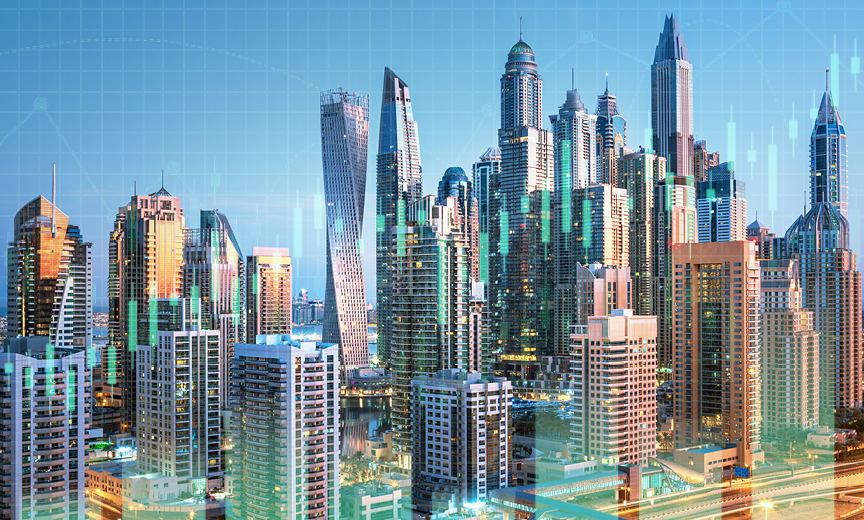
Dubai has firmly established itself as a prime destination for property investment, offering a dynamic real estate market backed by a stable and tax-free economic environment. Whether you’re a first-time investor or a seasoned professional, Dubai’s property market continues to attract global attention. With its strategic location, diverse property types, and high return potential, it’s easy to see why Dubai property investment remains a top priority for both local and international investors.
In this article, we will delve into the reasons why Dubai stands out as an exceptional investment opportunity, explore key areas for investment, and discuss the benefits of investing in Dubai’s real estate.
1.0 Why Dubai is a Top Destination for Property Investment
1.1 Tax-Free Environment
Dubai offers a tax-free environment for individual real estate investors, with no capital gains tax, no inheritance tax, and no annual property taxes on residential properties. This structure allows investors to retain a larger portion of their rental income and potential sale proceeds compared to many other global markets. While the UAE introduced corporate tax in recent years, it generally does not apply to personal real estate holdings for non-corporate investors, making the emirate particularly appealing for wealth preservation and long-term holding strategies.
1.2 Economic Growth and Stability
Dubai’s economy continues to grow and diversify beyond oil, with strong contributions from tourism, finance, logistics, and technology. Government initiatives, including investor-friendly policies, support this expansion. The Golden Visa program remains a significant draw: investors purchasing property valued at AED 2 million or more can qualify for a 10-year renewable residency visa, which extends to family members and offers additional lifestyle and banking benefits. This combination of economic momentum and supportive regulations reinforces Dubai’s position as a preferred real estate investment hub.
1.3 High Rental Yields
Dubai is known for competitive rental yields that often outperform many major international cities. As of recent 2026 data, the citywide average gross rental yield stands around 6.76%, with apartments typically delivering about 7.07%. In prime and high-demand areas, yields can range from 5% to 8% or higher depending on location, property type, and management strategy. The steady influx of expatriates and tourists, along with high occupancy rates in popular communities, supports consistent rental income streams.
1.4 Exceptional Infrastructure
The city features world-class infrastructure, including modern transportation networks like the Metro and tram systems, luxury developments, and ongoing large-scale projects. Legacy developments from previous global events, along with new initiatives in areas such as Dubai South and waterfront expansions, continue to enhance property values and livability. These investments create a supportive ecosystem for both residents and investors.
1.5 Strategic Location
Situated at the crossroads of Europe, Asia, and Africa, Dubai serves as a global business and tourism hub. Its international airport and major seaport facilitate connectivity, driving demand for residential, commercial, and hospitality-related properties. This geographic advantage sustains long-term interest from multinational companies and high-net-worth individuals.
2.0 Key Areas for Investment in Dubai
Dubai’s real estate market provides opportunities across various segments, from luxury waterfront living to family-oriented communities and emerging growth zones. Here are some of the prominent areas:
2.1 Dubai Marina
This vibrant waterfront district is popular for its luxury apartments, marina views, and lively atmosphere with restaurants, promenades, and amenities. It attracts professionals and short-term renters, contributing to solid demand. Rental yields in Dubai Marina typically range from approximately 5.5% to 7.2% for apartments, depending on unit size, with strong liquidity and consistent tenant interest due to its central yet leisure-focused location.
2.2 Downtown Dubai
Home to iconic landmarks like the Burj Khalifa and Dubai Mall, Downtown Dubai appeals to those seeking prestige and convenience. The area features high-end apartments with excellent connectivity and views. While yields here are often more moderate (around 5% to 7%), the location offers strong potential for capital appreciation driven by its status as a global landmark district and ongoing enhancements.
2.3 Palm Jumeirah
One of Dubai’s most recognizable developments, Palm Jumeirah offers exclusive villas and apartments with beachfront access and luxury amenities. It caters to high-end buyers and renters seeking privacy and prestige. Yields in this ultra-prime area tend to be in the 4% to 6% range, with emphasis on long-term value growth and lifestyle appeal rather than maximum immediate income.
2.4 Dubai Hills Estate
This master-planned community provides a mix of villas, townhouses, and apartments in a green, family-friendly setting with parks, golf courses, and retail options. Its proximity to key hubs like Downtown Dubai adds convenience. Yields here generally fall around 5% to 6.5%, supported by steady demand from families and professionals, alongside prospects for capital appreciation as the community matures.
2.5 Dubai Creek Harbour
Positioned as a futuristic waterfront development, Dubai Creek Harbour integrates residential, commercial, and leisure elements. With views toward the city skyline and proximity to the airport and other growth corridors, it is seen as an area with significant expansion potential. Early-stage investments here combine moderate current yields with expectations of future value increases as infrastructure and projects advance.
3.0 Benefits of Investing in Dubai Property
3.1 High Return on Investment (ROI)
Investors in Dubai can benefit from a combination of rental income and potential property value growth. Rental yields in well-selected areas often range between 5% and 9%, which is competitive globally. When paired with low or zero personal taxes on gains and income from property, the overall ROI can be attractive for both income-focused and growth-oriented strategies.
3.2 Capital Appreciation
Dubai’s real estate has demonstrated periods of steady and, in emerging or infrastructure-supported areas, accelerated value growth. Factors such as population increases, economic diversification, and new developments contribute to long-term appreciation. Areas undergoing expansion, like those near major transport or airport projects, may see stronger gains over time, though past performance does not guarantee future results.
3.3 Security and Transparency
The Dubai Land Department (DLD) regulates the market, providing a framework for transparent transactions, title deed registration, and dispute resolution. Electronic systems and escrow requirements for off-plan purchases enhance buyer protection. This regulated environment helps build confidence among local and international investors.
3.4 Diversified Investment Options
The market includes residential apartments and villas, commercial spaces, off-plan projects, and properties suitable for short-term holiday rentals. This variety allows investors to align choices with their risk tolerance, cash flow needs, and time horizon—whether seeking immediate income through rentals or longer-term growth via off-plan purchases at pre-completion prices.
3.5 Attractive Financing Options
Both residents and non-residents can access mortgage financing from local banks, often with competitive loan-to-value ratios and interest rates relative to some other markets. This accessibility can help leverage investments while maintaining manageable repayment structures, subject to individual eligibility and bank policies.
4.0 Types of Properties for Investment in Dubai
4.1 Residential Properties
Residential options range from compact apartments in high-rise buildings to spacious villas and townhouses in suburban-style communities. Areas like Downtown Dubai suit urban professionals, while places such as Dubai Hills Estate appeal to families. This segment forms the core of the rental market due to consistent demand from the expatriate population.
4.2 Commercial Properties
Office spaces, retail units, and warehouses in districts like Business Bay or the Dubai International Financial Centre (DIFC) cater to businesses. Commercial investments can generate rental income from corporate tenants, though they may involve different risk profiles and management considerations compared to residential assets.
4.3 Off-Plan Properties
Purchasing properties before completion often allows entry at lower prices, with potential for capital appreciation upon handover and project maturation. Buyers benefit from payment plans, but they should conduct due diligence on developer track records and project timelines, as with any pre-construction investment.
4.4 Holiday Homes
Given Dubai’s millions of annual tourists, properties in high-visibility locations can be used for short-term rentals via platforms compliant with local regulations. This approach can yield higher seasonal returns in areas like Dubai Marina or Palm Jumeirah, though it requires active management and adherence to licensing rules.
5.0 Conclusion
Dubai continues to position itself as a compelling destination for property investment through its combination of tax advantages for individuals, competitive rental yields, infrastructure development, and strategic global role. The market supports various strategies, from generating rental income in established communities to pursuing growth in emerging zones.
As with any investment, potential buyers should assess their objectives, conduct thorough research or consult qualified professionals, and consider market conditions, which can fluctuate. Factors such as location selection, property type, and holding period play key roles in outcomes. Dubai’s regulated framework and ongoing economic momentum provide a foundation for those exploring international real estate opportunities.
