

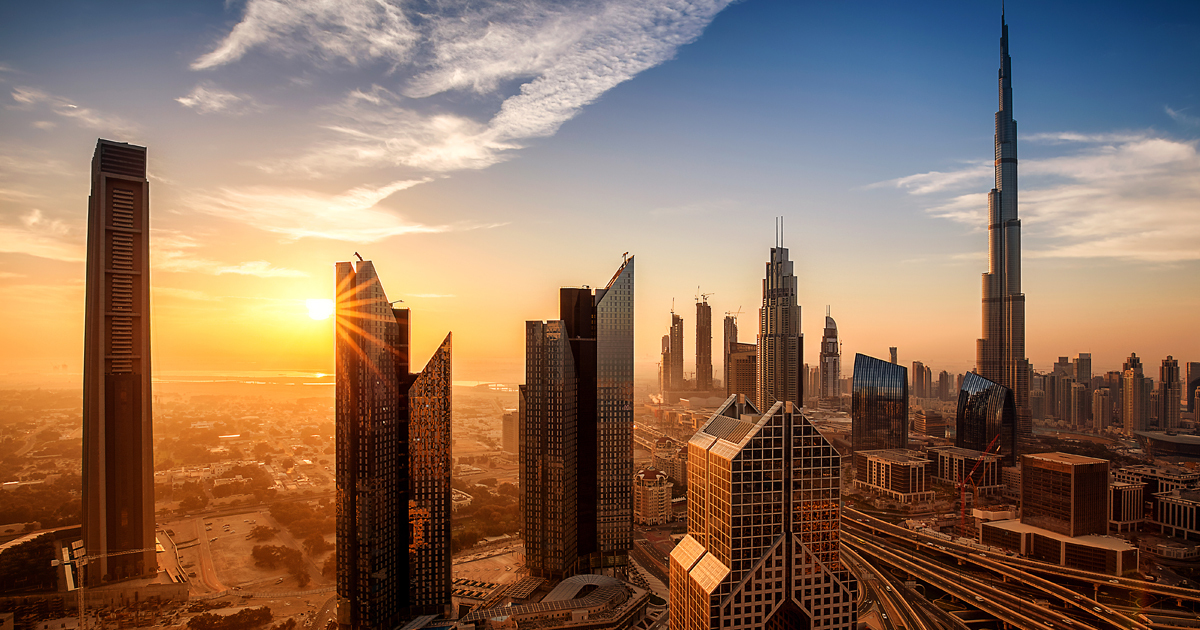
Dubai is one of the most attractive real estate markets in the world, offering high-return property investment opportunities for both local and international investors. With world-class infrastructure, strategic location, tax-free policies, and a vibrant lifestyle, Dubai presents a unique combination of security and growth potential. Whether you are seeking rental income, capital appreciation, or portfolio diversification, understanding the market is key to making informed investment decisions.
At Nborn Properties, we help investors navigate Dubai’s real estate landscape by providing expert guidance, market insights, and access to prime properties that align with long-term financial goals.
1.0 Understanding Real Estate Investment in Dubai
Investing in Dubai’s property market requires careful planning and a clear understanding of the various types of investments available. Residential properties, commercial spaces, off-plan projects, and luxury villas each come with unique advantages and risks.
For example, residential apartments often offer consistent rental income, while villas provide higher capital growth potential. Commercial properties can generate steady returns but require careful tenant and location analysis. Off-plan developments allow investors to enter the market early at lower prices, with the potential for high appreciation once the project is completed.
1.1 Key considerations for investors include:
- Return on investment potential from rental income and capital gains
- Market fluctuations and cyclical trends
- Legal aspects such as freehold vs leasehold properties and visa eligibility
By evaluating these factors, investors can structure a portfolio that balances risk and reward.
2.0 Types of Properties for Investment
Dubai’s property market is diverse, providing options for a wide range of investment strategies.
Luxury apartments in prime locations attract expatriates and professionals seeking high-end living with premium amenities. Villas, often in gated communities, are ideal for families and long-term investors looking for capital appreciation. Townhouses offer an affordable yet upscale alternative with access to shared amenities such as gyms and parks.
Off-plan developments present a strategic opportunity for investors. They allow early entry at lower prices, flexible payment plans, and significant appreciation potential. Commercial properties, including offices and retail spaces, cater to business tenants, providing steady rental income and portfolio diversification.
Takeaways:
- Apartments and villas are suitable for long-term wealth growth
- Off-plan properties offer flexibility and future appreciation
- Commercial spaces provide alternative income streams
Choosing the right property type depends on your financial goals, risk appetite, and investment horizon.
3.0 Best Investment Locations in Dubai
Location is a critical factor in determining both rental yields and capital growth. Dubai offers a wide range of neighborhoods, each catering to different investor profiles.
Dubai Marina is popular for waterfront apartments with high rental demand, attracting professionals and expats. Downtown Dubai offers luxury apartments and penthouses with iconic views of the Burj Khalifa, making it ideal for prestige investors. Business Bay combines commercial and residential developments, providing opportunities for both rental and capital growth.
Emerging communities like Jumeirah Village Circle (JVC) are family-friendly and more affordable, while Dubai Hills Estate offers master-planned villas and apartments in a green and sustainable environment. Palm Jumeirah remains synonymous with ultra-luxury properties, and Dubai Creek Harbour is a growing hotspot for premium waterfront residences with significant long-term appreciation potential.
Investor tip: Investing in locations with infrastructure development or tourism growth tends to maximize both rental income and property value.
4.0 Benefits of Investing in Dubai Properties
Dubai provides several unique advantages for real estate investors.
The absence of property and capital gains tax is a significant financial benefit. Combined with high rental yields and long-term capital growth, Dubai offers a compelling proposition for investors seeking stable returns. The city’s strategic location, connecting global business and tourism hubs, further enhances the potential for both rental and resale income.
Investors can also diversify their portfolio across residential, commercial, and off-plan properties to reduce risk while taking advantage of different market segments.
Summary of benefits:
- Tax-free policies boost net returns
- High rental demand ensures consistent cash flow
- Capital growth potential in premium and emerging areas
5.0 Market Trends and ROI Insights
Understanding market trends and key performance indicators is essential for maximizing ROI. Dubai’s property market has cycles of growth and corrections, influenced by macroeconomic factors and urban development.
Yield rates, which measure rental income relative to property value, typically range between 6–8% in prime areas. Capital appreciation is influenced by location, developer reputation, and emerging infrastructure projects. Awareness of market cycles allows investors to time purchases and resales effectively.
Practical points for investors:
- Monitor emerging neighborhoods and infrastructure plans
- Assess rental demand trends before purchasing
- Consider long-term growth when evaluating ROI
By analyzing these trends, investors can align their strategy with market opportunities for higher returns.
6.0 Tips for Successful Investment
Successful property investment in Dubai requires a strategic approach and informed decision-making. Researching developers, evaluating locations, and analyzing project plans are essential steps. Partnering with experienced brokers or local property consultants ensures access to credible opportunities and legal guidance.
Diversification is another key strategy, spreading investments across property types and locations to balance risk. Investors should also consider financing options, including mortgages and milestone-based payment plans, to optimize cash flow and leverage.
Tips in brief:
- Conduct thorough research on developers and projects
- Diversify across property types and locations
- Ensure compliance with local property laws
- Explore flexible financing options
7.0 Developer and Project Attributes
Selecting the right developer and project ensures quality, timely delivery, and profitable investment outcomes.
Reputable developers maintain high construction standards, premium finishes, and offer a range of amenities including gyms, parks, pools, and retail spaces. Transparent timelines, milestone-based payments, and attractive discounts further enhance investment security.
Attributes to consider:
- Developer reputation and past project success
- Amenities and quality of construction
- Payment flexibility and completion schedules
By investing with trusted developers, investors reduce risks and increase the likelihood of long-term returns.
8.0 Measuring Investment Outcomes
Tracking investment performance is crucial to understanding success and making adjustments.
Return on Investment (ROI) combines rental yields with capital appreciation, while occupancy rates indicate steady cash flow. Liquidity measures how easily a property can be sold or rented, and future infrastructure developments can enhance growth potential. Legal safeguards, escrow accounts, and developer credibility help mitigate risks.
Key metrics:
- Rental yields and capital gains
- Occupancy rates and rental demand
- Liquidity and resale potential
- Risk mitigation through legal and financial safeguards
Regularly evaluating these metrics ensures informed decisions and sustained profitability.
9.0 Conclusion
Dubai continues to offer unparalleled property investment opportunities for investors seeking long-term growth, high rental yields, and strategic diversification. From luxury villas to high-rise apartments, the city’s dynamic real estate market provides options for every investment strategy.
