

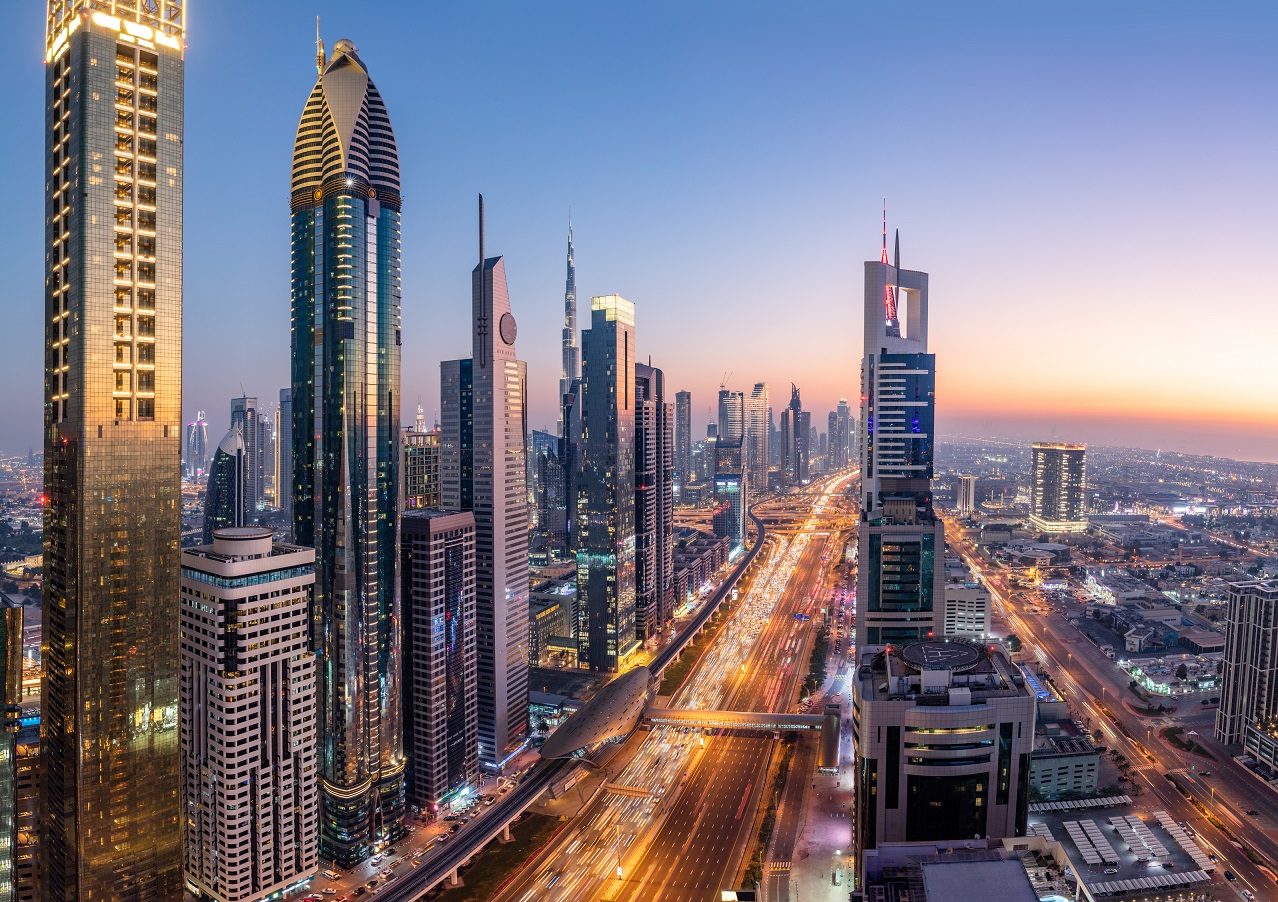
Dubai, a city known for its luxury, innovation, and ever-expanding real estate market, has become one of the top destinations for property investors worldwide. With its world-class infrastructure, stunning developments, and attractive tax incentives, Dubai continues to captivate both local and international investors. This blog will guide you through some of the best investment properties in Dubai, highlighting key factors to consider, the most lucrative areas, and expert advice to help you make an informed decision.
1.0 Why Dubai Remains a Strong Choice for Real Estate Investment in 2026
Dubai's real estate sector continues to thrive, supported by its strategic location, economic resilience, and government initiatives like the Dubai Economic Agenda (D33), which aims to double the economy by 2033. While the market saw strong sales volumes in recent years, 2026 forecasts indicate a shift to more stable, fundamentals-driven growth. Here's why it still appeals:
1.1 Global Hub for Trade and Finance
Dubai's position as a bridge between Europe, Asia, and Africa fuels demand for residential and commercial properties. As home to the Dubai International Financial Centre (DIFC) with thousands of companies, it drives real estate needs from expatriates and businesses. Population growth has been robust, sustaining long-term demand.
1.2 Favorable Tax Environment
For individual investors, Dubai offers no personal income tax on rental income, no capital gains tax on property sales, and no annual property tax. This enhances net returns compared to markets with high taxation. However, note one-time fees on purchases, annual service charges, and value-added tax on certain commercial transactions. Short-term rentals may require a business license, potentially subjecting them to corporate tax. Foreign investors should also consider home-country taxes on Dubai income.
1.3 Competitive Rental Yields
Dubai's rental yields remain attractive, outperforming many global cities. They vary by area: affordable spots like Jumeirah Village Circle (JVC) tend to offer higher yields, while prime locations like Downtown Dubai are more moderate. Net yields account for maintenance and fees, but sustained demand keeps them appealing.
1.4 Market Growth and Stability
After years of appreciation, 2026 projections show moderate price growth, with villas outperforming apartments due to limited supply. A surge in new units could lead to mild corrections in oversupplied mid-tier areas. Key drivers include tourism recovery, infrastructure expansions (e.g., airport upgrades), and expatriate inflows. However, risks like geopolitical tensions or global economic slowdowns could impact short-term stability—investors should monitor supply-demand balance.
2.0 Top Investment Areas in Dubai for 2026
Choosing the right location is critical when it comes to real estate investment. Here are some of the best areas in Dubai for property investors to consider:
2.1 1.Dubai Marina
Dubai Marina is one of the most sought-after locations for both luxury residential and commercial properties. With stunning waterfront views, a wide range of high-end amenities, and proximity to popular destinations like JBR (Jumeirah Beach Residences) and the Palm Jumeirah, Dubai Marina offers great potential for both long-term capital appreciation and strong rental yields.
2.2 2.Downtown Dubai
Home to iconic landmarks like the Burj Khalifa and Dubai Mall, Downtown Dubai remains one of the top investment hotspots in the city. The area offers a mix of luxury apartments, retail spaces, and commercial properties, with its proximity to key business hubs making it an attractive option for investors looking for high returns on both residential and commercial properties.
2.3 3.Dubai Hills Estate
Dubai Hills Estate is an emerging master-planned community that offers a blend of modern living and nature. Known for its lush greenery, world-class golf course, and luxury villas, this area presents great long-term growth potential. As one of the most prestigious communities, Dubai Hills Estate is favored by affluent buyers and investors, making it a solid choice for real estate investment.
2.4 4.Palm Jumeirah
The Palm Jumeirah is one of the world’s most iconic and luxurious developments. It is home to some of the city’s most sought-after residential properties, including villas and penthouses with breathtaking views of the Arabian Gulf. Due to its exclusivity and prestige, investing in Palm Jumeirah real estate offers long-term value and high returns.
2.5 5.Business Bay
Business Bay is a thriving business district in Dubai and is known for its modern infrastructure and close proximity to Downtown Dubai. The area is ideal for investors looking for commercial properties, including office spaces and retail outlets, as well as residential units that cater to professionals working in the area. With continued growth and development, Business Bay remains a prime investment destination.
2.6 6.Dubai Creek Harbour
Dubai Creek Harbour is another exciting, rapidly developing area in Dubai, offering a futuristic vision of Dubai’s waterfront living. The community is set to feature state-of-the-art residential towers, luxury hotels, and high-end retail outlets. With the iconic Dubai Creek Tower set to be completed soon, Dubai Creek Harbour is poised for significant capital growth in the coming years.
2.7 7.Jumeirah Village Circle (JVC)
Jumeirah Village Circle has become increasingly popular among investors due to its family-friendly environment, affordable pricing, and good connectivity to key parts of Dubai. With a growing number of developments, including villas, townhouses, and apartments, JVC offers solid potential for rental income and long-term appreciation.
3.0 Types of Properties for Investment in Dubai
Align your choice with goals—rental income, appreciation, or diversification. Market trends favor off-plan and villas in 2026.
3.1 Luxury Apartments
In high-demand areas like Downtown or Marina, these offer solid yields and appreciation. Suited for expatriate renters; watch for oversupply in mid-range units.
3.2 Villas and Townhouses
Spacious options in Dubai Hills or Palm Jumeirah appeal to families. Lower yields but stronger price growth due to limited supply.
3.3 Off-Plan Properties
Buy pre-completion at discounts in areas like Dubai Creek Harbour or Dubai South. High appreciation potential, but risks include delays and market shifts. Off-plan sales remain active.
3.4 Commercial Properties
Offices, retail, or warehouses in Business Bay or DIFC attract tenants amid business growth. Value-added tax and corporate tax may apply if held via a company.
4.0 Key Considerations for Real Estate Investment in Dubai
To mitigate risks and maximize returns:
- Property Type
Match to objectives: Residential for yields, commercial for stability. Consider net reurns after fees.
- Location
Evaluate proximity to amenities, transport (e.g., Metro), and growth corridors. Prime areas offer liquidity; emerging ones, higher upside but volatility.
- Developer Reputation
Opt for established names like Emaar, DAMAC, or Nakheel for quality and timely delivery. Check track records to avoid delays.
- Market Trends
Track data from sources like Property Finder or Bayut. 2026 emphasizes selective buying amid supply influx—focus on end-user demand over speculation.
- Financing and Risks
Mortgages are available at competitive rates; non-residents need substantial down payments. Risks include oversupply corrections, maintenance costs, and liquidity challenges in a cooling market. Diversify and consult experts.
5.0 Conclusion
Dubai's real estate market in 2026 offers compelling opportunities with competitive yields, tax advantages, and growth potential, but it's entering a mature phase with moderated expansion. By selecting prime or emerging areas, reputable developers, and suitable property types, investors can achieve solid returns. Balance optimism with caution: monitor supply surges, geopolitical factors, and personal tax implications. For tailored advice, engage local agents or financial advisors to navigate this evolving landscape.